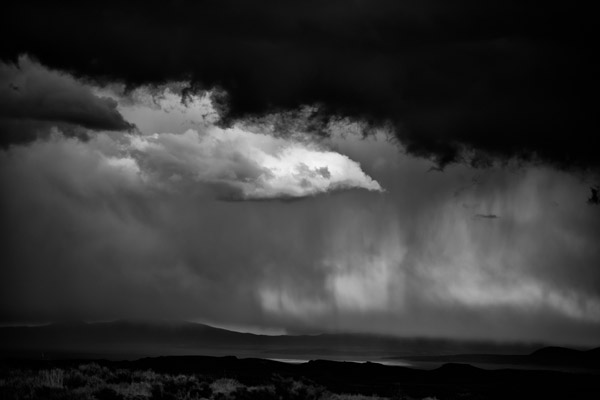
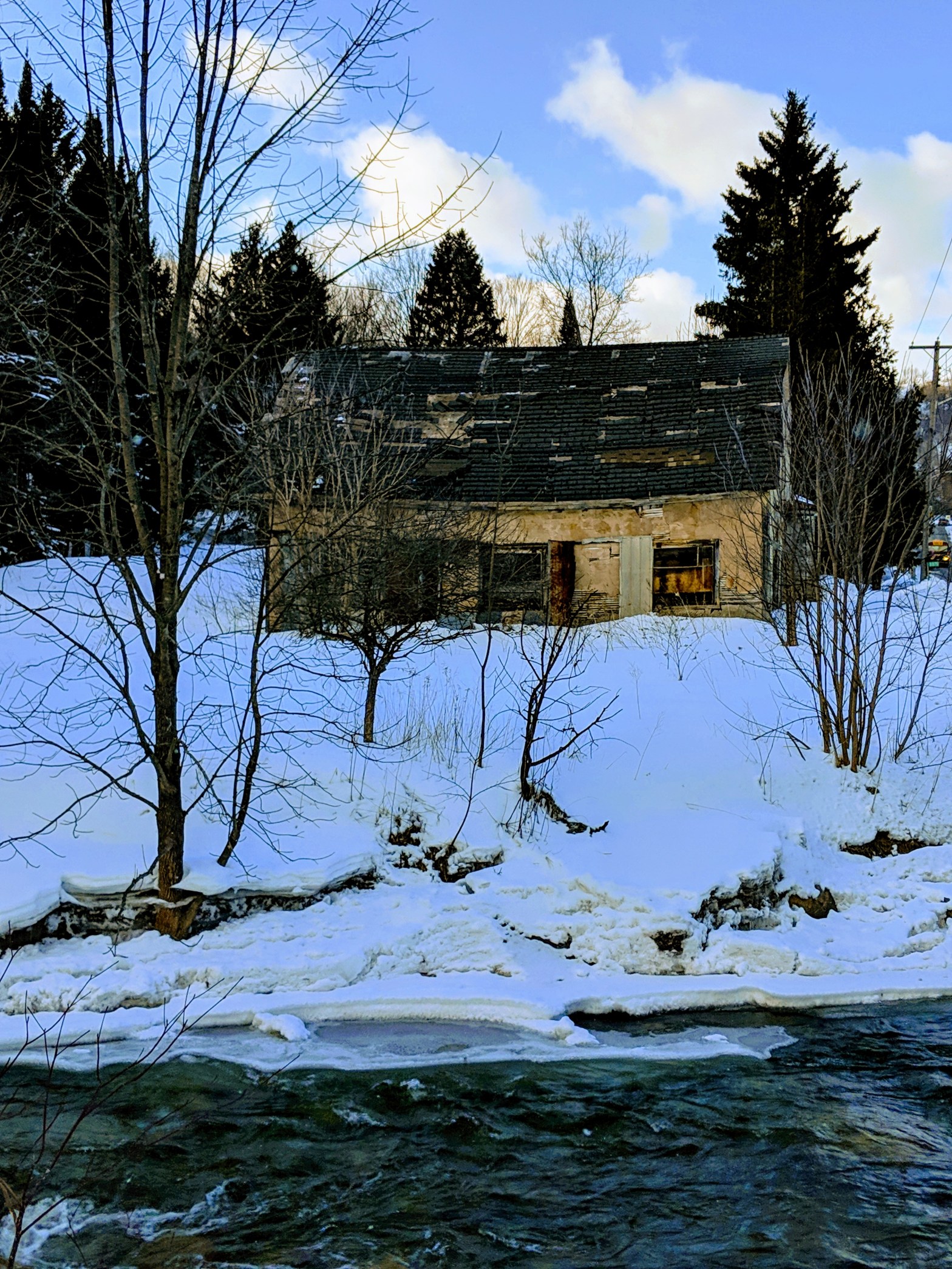
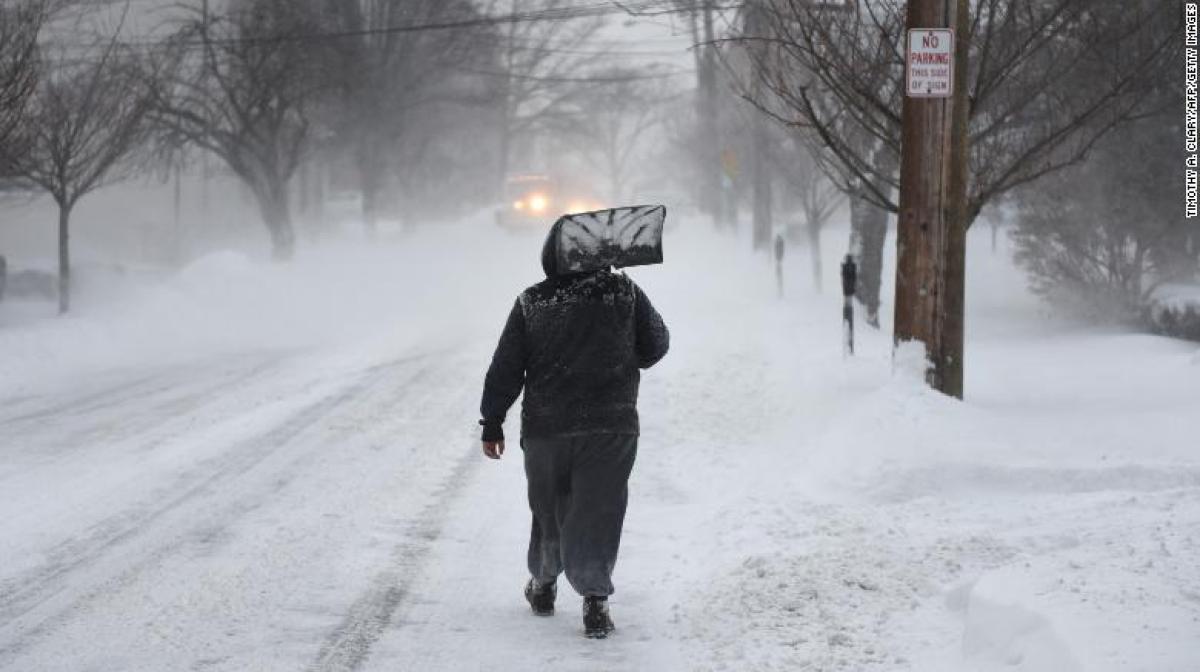
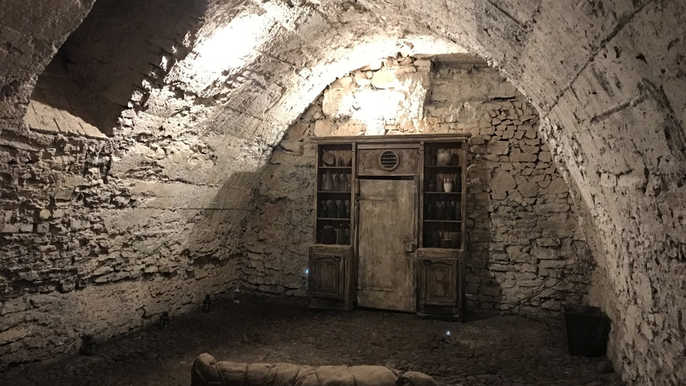
It was a dark and stormy night…

Storms don’t bother him any more.
The rumble and tumble of distant thunder
brings a modest smile to his face,
and one could guess, from his inward look, its peculiar comfort.

In his mind are the blankets of his childhood bed.
Dirty grey and dark inside,
but soft and safe.
Safe with his own private sun.

Muting giants’ voices
perhaps until the morning.

Always there to hide his fearful tears.

There was once

Old Maggie.
You lived here, and to this day it stands, guarded by posterity. A testament, at least, to the spring steel backbones of your times. Not a curve to its roof, or a lean to its timbers. As upright as you always were, I reckon.

I’ll be seventy next year. When I was one tenth of that, my mother took me to see you for the first time. There were no smiles or caresses, only a stern sizing-up with your raven-like gaze. At mother’s instructions, I was not to call you Granny or Grandma or names of such ilk. And certainly not Maggie. It was to be Grand Mother, and that was the end of it.
~~~~~~~~~~~~~~~~~~~~~~~~~~~~~~~~~~~~~~~~~~~~~~~~~~~
While Mum and Grand Mother spoke in quiet tones, or went out to the garden, I was left to play with the ancient piano, and was told not to touch anything else in the house. Grand Mother had one of those little yappy dogs, and when it wasn’t vocalizing, it was doing circuits of the house, seemingly trying to get me to follow. I did take a curious look around the place, avoiding the touching of anything but the floor. Lots of small dark tables with doilies on them. Pictures on the walls (all straight), of Sons in the Army and Air Force. All of perfect posture and grim aspect. Curiously, an old rag doll sat on the kitchen counter. And, in the back mudroom, some animal skins tacked to the walls, next to a rack of rifles and shotguns. Grand Mother was a widow by that time, but Grand Dad’s effects were never disturbed.

[Why was Mum afraid of you? My little boy’s instinct told me that, right away. In our short time there, she seemed to always be wanting your approval, and your stern expression never changed.]

We stayed long enough for a silent dinner, and then Grand Mother went to her bedroom and brought out an old leather change purse. I remember it being heavily bound with elastic bands. She took from it a rolled wad of paper (more elastics) and gave it to Mum. And then, it was time to go home.

When we got to Toronto, Mum solemnly gave me the first paper money I had ever had of my own. It was five dollars, on the instruction of Grand Mother. A fortune to me. The last time I saw her was three years later, at her funeral.

Upon Mum’s death, some forty years later, we had to clean out her apartment. In her old trunk, wrapped in tissue, was Raggedy Ann.


There’s no coming back

might it be
that you hear me only
as a poorly played horn
a bothersome oboe

as you rest in the wheeled chair
with your gown of faded flowers
and a tray of uneaten food before you
I think you have left little of yourself
to control this bird’s body
its care no longer a concern

its eyes they watch something
but not this room
not this person who is me

are you privy to the divine
forsaking all else

a week ago
inches from you
I cried.
you knew
at least that.
you knew,
for there was a wistful smile
a swimming back

and now
I make my peace
because I know that you take with you
something of me

What meets the eye

There was a little girl who brought her little girl to piano lessons, thrice a week, or was it twice? They lived in a wintry white town, weighted down with more and more snow each day, in the past week. This girl drove a red pickup, and, each appointed night at 7:00, she would pull up to the curb, bring her child to the door of the house, then sit and smoke in her truck while waiting. At first, she did not notice the old man across the street, being concerned with her phone and cigarettes. When she did look up, to flick a butt out her window, she saw that he was doggedly trying to start his snow blower in the dimly lit garage. She grinned a little, to herself, and went back to Candy Crush. Ten more minutes went by before she knew it, and she saw that he had ceased his labors. He stood, shoulders slumped, with one foot up on a stack of old tires. She thought he was crying, but he was only catching his breath. When her little girl came out the front door, she took her and strapped her into the car seat. By the time they made ready to go, she stole one more glance at the old man. He hadn’t given up yet, and was starting to shovel a pathway by hand through the foot deep drifts. Shaking her head, she thought “crazy old fool, he’s gonna kill himself. You hear about it all the time.”

The old man was confounded. Why wouldn’t it start? There was fresh gasoline (super), antifreeze, and a new spark plug. Try as he might, no use. He knew it wasn’t flooded, ’cause he’d only primed it a couple of times. He’s used to seeing cars pull up across the street, but he doesn’t take too kindly to being stared at, and especially to being laughed at. He takes her grin to be a mocking one, and, coupled with her greenish hair, nose ring, and neck tattoo, she fits his idea of a young punk. hmph, or something like that, he thinks. After catching his breath from pulling at that blasted starter (he counted 49 times), he got out his shovel and looked doubtfully down his drifted driveway. Well, there was nothing for it. He would clear at a least a small pathway before his daughter got home.

Two nights later, and there was the girl again. And there he was again, with his red plastic shovel. She watched him take scoops out of the white drifts, then pause for a few moments, leaning on the shovel. As he attacked the snow for a third time, she got out of her truck.

Oh no.  Is she actually gonna talk to me?  he thought.  And she came, still puffing her smoke.  “Still can’t start your blower, huh?  What else you got in your garage there?”  “I’ve just got me this shovel, is all.”  “Okay, but what’s that I see back there?  Isn’t that one of those big scoops you push along?”  “Yeah, I can’t push it”.  “Let me try”.
And in the time it took to light up two more smokes, she had it done.  “Hey, can’t you get someone to fix that blower?” says she. “My cheque don’t come ’til the end of the month.” says he.  “Well, mister, my boyfriend’s a mechanic and he runs a snow plow too.  He’ll come and fix it, never mind.  And on the real bad days, I’m tellin’ him to come do your drive.”

And so, in the dark sparkles, Erica puts her two hands on his shoulders, turns him around, gives him a pat on the behind, and says “Now you can go have a cuppa tea.”
He turns back to her, wipes his tears, and says “You come too.  And bring the little girl.”


Take me back

So long ago.  The steps.  The regrets.  The loves, the tears and the joy.

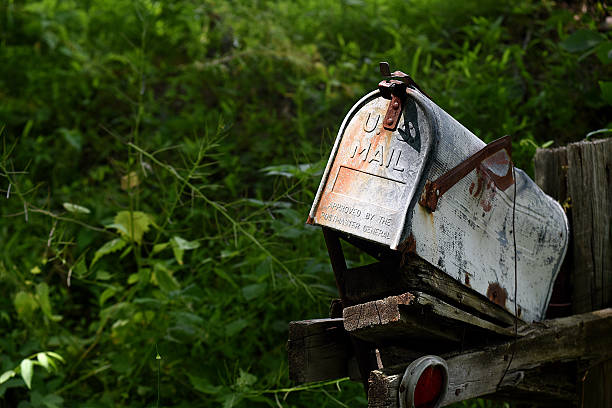
We lived on a dirt road, across from an old shanty house.  At the road’s edge, the house had a bright metal mailbox whose door was embossed with U.S. Mail.  The sunny side of it, stenciled in black, read W. Sweeney.  It was the only new thing to be seen on that property.  The day its post was anchored and its box screwed down was, I think, the first time we saw the Mister up close.  He had tipped his hat to us as we watched unabashedly, but had said nothing.  The crowning touch to the mailbox was a large iron triangle, painted bright white, that supported it and anchored it to the post.  It was open work, and had fanciful curlicue designs all through it.  I thought it very fine, for I had never seen a thing so beautiful and new.

Mark and I were seven and nine, and did not know much about very much, but we did know that we lived in Canada, not the U.S. of A. , and that was funny.  In the exuberance of a youthful day, and the ennui of country life with an absent father, we always got the most out of anything that could make us chuckle.  Consequently, we ran around our yard shouting USA!  USA! until we were out of breath and rolling in the grass.

The Sweeneys were our brand new neighbours, having bought the place “for a steal”, more for the land and the broken down farm equipment than for the house.  They had plans.  So said their two little tykes, a boy and a girl, only slightly younger than us.  On the day they moved in, their mother (one Janet Sweeney) had ushered them into our drive and had made hasty introductions, leaving them to play with us and stay out of the adults’ hair for a while.

We were smart enough, at least at first, not to tell them The Story about their old house.
You see, we had only found it out through accidental eavesdropping.  A family named Gilhooley had lived there long before we came, and had been there many years before we were born.  The story was that they were very poor, and had failed at farming.  Mister Gilhooley owed money around town, and so it came that they were going to lose the farm.  He had just gone out to the barn one night and pulled the trigger.  What happened to the family after that, we never knew.

The Sweeney boy, Lucas, was something of a bully.  He liked to be “in charge” of any game we were playing, and fancied himself The King of Everything.  And I, being the eldest kid on my side of the road, should have been the one to challenge him.  I confess that I was not much good at it, and suffered many humiliations.  He had a sister, two years his junior, whose name was Rosie.  As we became more comfortable with these two, it was evident that she was the more mature of the siblings.  Rosie and I became fast friends, and it was not long before Lucas was put in his place.  She held thrall over him, and apparently had a memory bank full of his dastardly deeds that she could use as currency at any time.

When Mrs. Gilhooley had gone to live with her sister, after having been evicted by the bank, there was one thing of value that was left in the house.  It was a piano.  An “upright grand”.  To me, it was a thing of beauty, and it looked almost new.  The whole house seemed to have been built around it.  The bank had seized it against money owing, and were preparing to auction it off with the rest of the chattels when Mister Sweeney made an offer they couldn’t refuse.  Rosie was learning to play it, and indeed they were having her tutored twice a month, an expensive undertaking for a farm family.  Lucas showed no interest, except a sullen resentment that he was being “tutored” to run the farm equipment while money was spent on his little sister .  My brother Mark took more of an interest in the farming than did he, and was over there every chance he got when their Dad started the tractor.

And me?  Well, I listened for the whistle.  Rosie’s whistle.  She was one of those people who could put two fingers in the mouth and produce that loud and piercing sound.
To me, it meant Piano Time.  She was becoming better at it with age, and she knew I shared her fascination for it.  Her patience with me was remarkable.  We sat side by side on the wide wooden bench, and I would play some off notes in between hers just to get a rise out of her.  We would wind up pushing each other off the bench in laughter.

Rosie’s lessons were usually on Tuesdays, and one of these dawned in a cold dribbling rain.  She knew I would be watching, waiting for the teacher, so, instead of whistling,  she waved at me crazily from her fogged up window, sticking her tongue out.
Markie was getting himself ready for whatever farm work they would do on a day like this.  In his oversize gumboots, yellow slicker, and strap-on rain hat, he looked pretty comical, and more so when he made sure to stomp on every puddle he could find on the way.

Mother said I could run across without boots if I would take an umbrella and stay out of the puddles.  It was a good thing that I was bused to school, because if I ever was seen toting an umbrella, I would have been the laughingstock of the schoolyard.  But to see Rosie, I would have worn Markie’s outfit as well.  Today was kind of special, being the first time I had been invited to sit in on a tutoring session.  Rosie had pleaded my case with her mother, who had relented, and there was even a nice lunch of home made French fries and Dr. Pepper.

Rosie’s teacher, Mrs. Turnbull, was just taking her leave when there was a commotion from the back door.  Mister Sweeney yelling “Lucas, get twine and some short pieces of kindling, right now!”  “Janet, I need as much of your thickest fabric as you can bring!  Then call the hospital!” Mrs. Turnbull, Rosie, and I ran to their back mudroom to see what was the matter.  There, on a flat bench, was Markie.  He was wrapped in a heavy grey blanket, soaking through with blood.  His boots were gone, and he looked dead, his hair in ringlets sticking to his head.  “Ronnie, go and get your mother.  We’re bound for the hospital!  Go now!”  I ran crying, crying through the blackening rain.  Shoeless, I slipped on the wet grass and split my lip on the cement steps.  Mother saw me right away and let out a scream, yelling questions how did it happen?  I sobbed out “It’s not me.  It’s not me.  It’s Markie.  Let’s go.  We gotta go now.  Hospital.”

By the time I got mother over there, Mister Sweeney and Janet had already made three tourniquets to staunch the flow from Markie’s wounds.  I can’t describe what he looked like, and I won’t.  There had been an avoidable accident.  The two boys had been fooling  with machinery.  There was enough blame to go around.  I sat in the back of the station wagon with Markie, holding his hand.  He was breathing, but shivering.  His eyes were closed and tears ran down his cheek.  The hospital was fifteen minutes away, and they were waiting for him.  We had an unexpected Police escort the last few minutes of the trip.

My Dad was notified, and he went rushing back from some town he was staying in for his sales meeting.  It would be an overnight trip of several hundred miles.

Markie died that night from blood loss and sepsis.  We weren’t in time.

A famous songwriter once said “Does anyone know where the love of God goes…..
when the minutes are turned into hours?”  The Sweeneys drove home in the night’s stony silence.  All in shock.  All mechanical motions.  I couldn’t say goodbye to Markie.  He never saw his Dad again.  Mum and I stayed at the hospital and waited.

~~~~~~~~~~~~~~~~~~~~~~~~~~~~~~~~~~~~~~~~~~~~~~~~~~~~~~~~~~~~~~~~~~

Dad had to stay with us awhile.  Mum was inconsolable.  As for me, I spent much of my time in our treehouse out back.  I tried to help with the cooking and cleaning, as Mum had lost interest in those things.  Attempts to cheer her up were met with either anger or tears.  Some weeks after that day, and even though it was raining once again, I had taken a blanket and closeted myself up in the tree with a couple of peanut butter sandwiches and some comic books.  I had really lost three people.  Markie gone, and Mum and Dad not the same anymore.  I began to blubber uncontrollably, hitting my fist on the barky wall until I bled.

A knock came, and, with my nose still dripping, I pulled back the makeshift door and let Rosie in.  Neither of us said a thing.  I could not look at her yet.  She squatted down beside me and put her arm around my shoulder, leaning her head against mine.
“I love you, Ron.” is what she said.  We stayed that way for a time, then she left.  But not before saying “Just remember.”

The next spring, we moved away.  We had to follow Dad with his business, which took him further and further away.  Rosie was sent to a private school, and was getting room and board in town.  We had to say goodbye.

The years are thirty since then.  Funny, but I have never married.  Instead, I have followed in my old Dad’s footsteps, punching the time and climbing life’s long ladder.  Mum died of sadness, I think, some years ago.  Dad continues on and on in a little apartment.

And, on this hot mosquito night, I make a turn that I hadn’t planned on.  Or maybe I had.  The road is still of dirt and gravel, and the dark is coming on quickly, but I know my way.
Our old house still stands, but it’s been added onto in a patchwork way.  Clothes flap on the line, and there’s a new hydro pole out front.  Across the street,  there’s a new house of red brick.  I wonder who lives there now.  I stop for a second and see, in the beam of my headlight, an old mailbox, dented now and leaning.  There is no readable name on it, but next to it, on the lawn, is a new sign.  It says “R. Sweeney- Piano lessons.”

Photo by Thomas Shanahan

I plead the 4th

people are speaking to me,
thinly and echo-like.
I watch from above, my love.
(or across, down, sooner, later)
“do you want another pillow?”
“I don’t think he can hear you, Karen.”
“blink once for yes, twice for no.”
I have trouble working those old fleshy levers.
such meat.
they say come back, they say don’t leave.
I see contorted faces.
but, really, they shouldn’t worry.
I say don’t worry, but can’t spell it in winks.
I am the explorer, now.
Of a different plane.
We’ll meet again
don’t know where
don’t know when
but I know we’ll meet again
some sunny day.

Very nice, very nice

..we live in a basement now…
some say eww, you live in the cellar?
that’s something I did when I was a teenager.
a second class citizen.
how can you stand someone living above you?
what do you do if there’s a fire up there?
you’re gonna freeze in the winter.

well….

we have birches and maples and pines that suffice.
we have seven big windows, all covered in ice.
we have babbits and birdies and chipmunks and mice,
and the latter ones think that our pantry is nice.

a fire in the corner to warm up our toes.
a sliding glass door to a garden of rose.
a barbeque smoky, so nice to the nose,
and the sky through the branches of wintery prose.

and the one that we share it with lives up the stairs.
she booms and she clatters and does what she dares.
has two skinny cats that we think are her heirs,
and their vocal renditions? well, nothing compares.

but the aerial noises we hear from above
don’t bother us greatly, ‘cuz we’re thinking of
a family that’s knit (sometimes fits like a glove)
and the missus upstairs, she is someone we love.

Very Nice. Very nice.

Crazy house

All is soft silence, save for a ringing in the ears.  Afterimage of thunderous chaos.
Mister Puss, saucer-eyed, meows a sick meow.  Looks this way and that, as if to say-
where is hammer?  Booming boots?  Cracking tiles?  Thuds and drags?  In the fourteen days, he had become inured, comfortable, expectant of the next morning’s assault.
As our savior, he had taken on our very nerve endings, mirrored our anxiousness, and transformed all into a metered purr.  If he was alright, then so were we.
And now, in this vacuous day, we trust he will show us the way.

The renos are done.

The love of a brother

On a long gone New Years Eve, we had a table in a crowded Legion barroom. The women were up dancing, and he had just returned with two bottles of beer. He set one down for me, but I said “No, man, I can’t. We’ve got an hour’s drive home in the snow.” Aw, c’mon, it’s New Years. I sat there in the awkwardness, as he drank his beer. “We’d better be going. I’m glad you’ll be at the motel.” As I went to get up, he touched my arm and said I love you. That was it. Two years later, almost to the day, I was at home on a wintry afternoon, when the phone rang in my kitchen. Yeah, well……it’s me. Yeah. I’ve got cancer. This is it .  And suddenly, my stomach hurt. My knees buckled, and I sank into a chair. I cried silently, my head on the table. “But I love you”, I said. But I love you.