In the gloaming

And Lord,
if my spirit returns,
let it be in feather, fur, or fin-
your creations in the wilding,

whose years seem short to us
but are unburdened with evil thoughts,
and care not for the praise of others

They look to live a life
always in the now,
having scant worry for the future
and none of the past’s regrets.

And when the weathers are fair,
they are so free,
and knowing naught of care
they look to Thee.

***

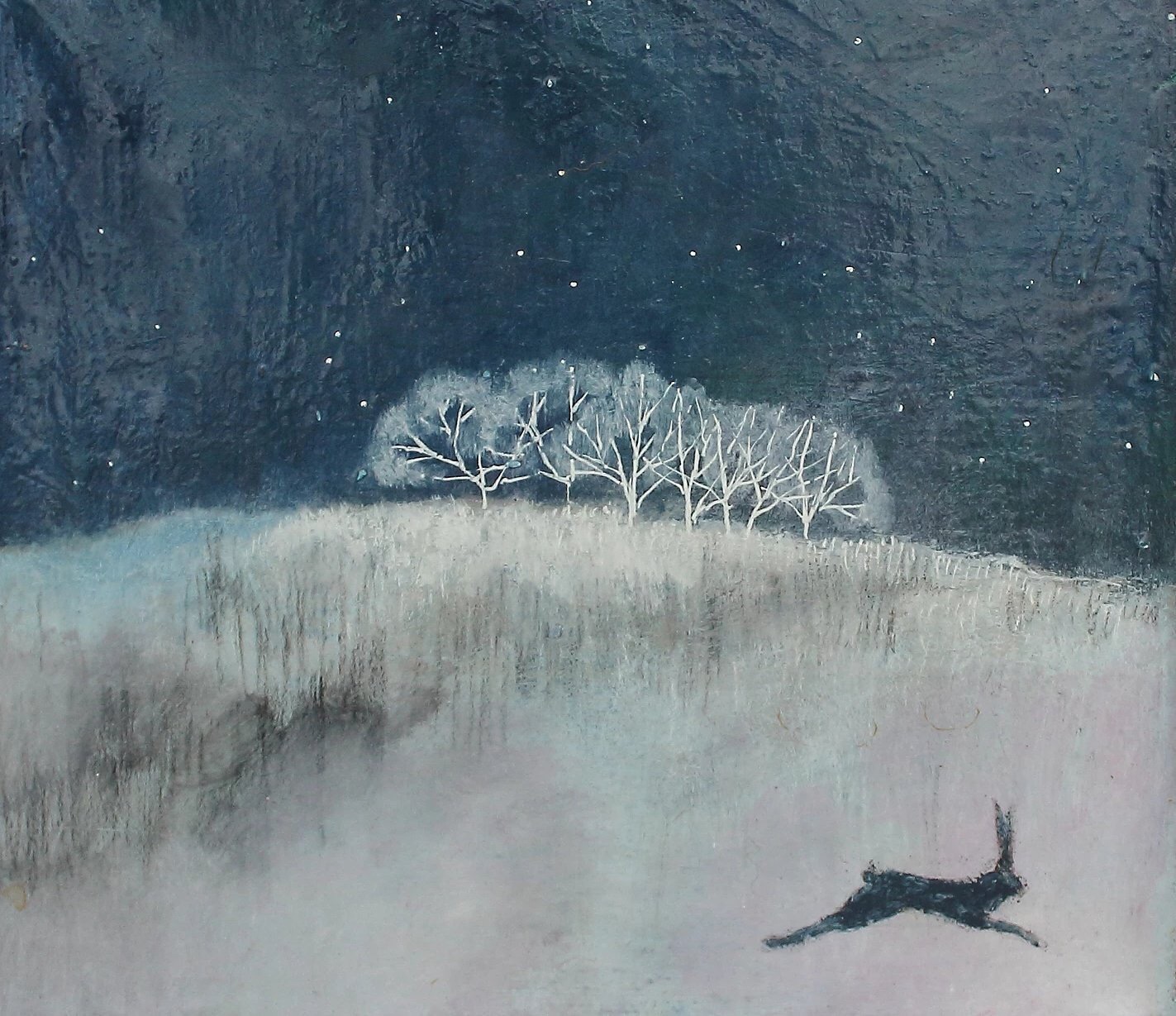
Art by https://lorbird.wixsite.com/artbylorbird

Ember month

Sundown at Nipissing’s shoreline,
and the big lake begins its freeze.
The soft fire of November’s embers
pleases the eye, but can’t warm us.
I stand in the cold cold sand
that waits for winter’s cover,
and think of unimportant things:
that there will be no more drifting things,
maybe until June.
And, where do all of those greedy gulls go
when the freezing squalls begin?
And, another question, for old Dad:
You sure liked your hot mashed potatoes
with that half stick of butter,
table cream,
salt & pepper.
Why can’t we eat what we like, Dad?
Without dying, I mean.
I just can’t…
no more.

Sequestered

Darlene and Dave,
they had a love.
On grandfathered land,
they built a house of modesty,
high under the evergreens.

Neighbours flocked to raise the roof.
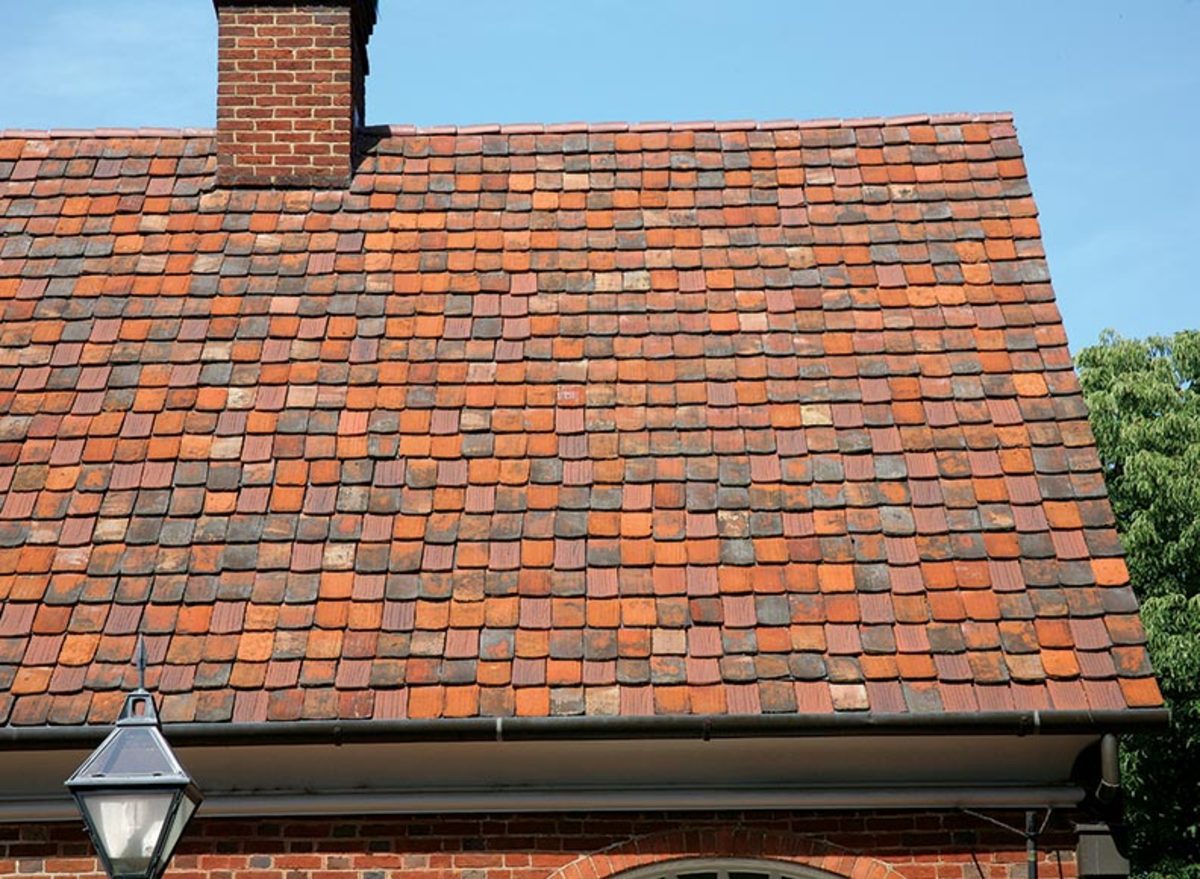
Each brought shingles, cedar shakes
of secret colours, ’til unboxed.
The coffee, the tea, the hot chocolate.
The joy. The laughter. The promise,
in that snowy October.

First came Darlene’s gardens,
with care-woven roots.
Then, a son and daughter, a year apart.
Never the holiday they took.
Never did they want for other lands.
But the boy and the girl,
they went to good city schools,
and soon they had a hankering.

With their earned degrees, they wanted the world.
There were stoic farewells, in time.
The house of modesty had a change in its airs,
too many spaces in its purpose.
And Darlene plied her trade in the summer gardens,
trying to grow what might fill.
And Darlene took a room
and made tapestries of delicate beauty.
Quilts that had no rival.
And Dave took a room
and tied fishing flies
and made soldiers and cannons of molten metals
and hammered copper story scenes for the walls.

And they did go to a hidden summer lake
to swim and to collect things that drifted.
And even after their middle age
they skated on that lake,
sequestered in the snow.

On a summer, Darlene was kitchen-bound,
baking for a lakeside lunch.
She wondered at the change in the timbre of the riding mower.
Dave never left it running, she knew.
Rinsing her floured fingers,
she went out the back screen door to call him,
but her Dave had died. His heart.
~~~~~~~~~
These ten years now,
I have delivered Darlene’s groceries.
Waiting on her visitors from foreign lands,
she was soured to the world.
Took up with the smoke and with the drink.

Today, as I drive the muddy road,
I have a companion with me.
The nurse that will tend to my old friend.

The cedar shakes of the bowed roof
still show a checkerboard of colour,
even in this grey streaming rain.
I have always thought that each one was signatory
to a day in the lives of those two.
A smattering of their joys, their fights, their triumphs, their sadness.

Darlene had called this morning
to tell us not to knock.
To just come in the front door,
take off our wet boots.
She sits in the back living room now,
in a fluffed robe,
with her tobacco.
Sequestered from the gloom,
but part of it, too.

Steel and glass

Just today, 55 years after the crash, Stuart’s face has appeared to me once more in a dream.  I don’t know why I remember this, especially now, in my 69th year, but it feels as if God has spoken to me about one of his angels.

On December 27th, 1964, I was fourteen and my brother Mark was eleven.  “Stewie” had been Mark’s only friend since he and his parents had moved into our apartment building, some four years before.  Being probably the eldest kid in the building, I had been busy recruiting followers (all younger kids), setting trends with my Beatle Boots and Fabian haircut, and developing an interest in those strange creatures, the Gurlz.  All of this, though, did not prevent me from feeling a streak of jealousy over the time Mark and Stuart spent together.

Sophie was Stuart’s mom, and they lived down the hall from us.  I don’t have much of a memory of his dad, as he seemed to be away most of the time.  Sophie worked as a part time secretary, I think, and Stuart would come to our place for a few hours while she was gone.  With his round doe-like eyes and a lower lip that drooped into a perpetual pout, Stuart’s face was meant for a mother to love, and indeed he clung to Sophie whenever we saw them together.  He may have been the shyest person I have ever met.  Being a little younger than my brother, Stuart was a willing disciple when Mark began to school him in the basics of rebellion.  Nothing serious came of it, but whenever trouble bubbled over, Mark was one of the suspects.

Stuart and his family had lived in our building going on five years when they had to move away because his father had gotten a new job.  Mark was unhappy, of course, until Sophie started to bring Stuart for visits almost every weekend.

There was a new kid named Stanley.  He and his family had moved into an apartment on the top floor of our building, and he always took the stairs when coming outside.  Three flights, and he made a game out of running down them as fast as he could.  At the bottom landing, there was a heavy glass door that you had to push open, then a few steps outside to the pavement.  To the left of that door was a tall and narrow window made of frosted glass.  I assume its purpose was to let in additional light, while improving the esthetics of the place.

This window had been broken by some kids playing ball, and all that was done was to remove the shards of glass from the frame so that no one would get hurt.  Apparently, they couldn’t get it repaired right away because it was the weekend.  Someone had put strips of tape over it to show there was no glass, but this didn’t last long.  Once Stanley found out, his stair game became even more fun because now he could run right outside without stopping, making a beeline for the missing window.

On the following Monday, the repairmen were there first thing and put in the new one, this being of clear glass because they couldn’t get hold of the frosted stuff right away.
Mark and Stuart and I were having lunch on our second floor balcony when we heard the crash and Stanley’s screams.  He had played his stair game one too many times, and had run clean through the plate glass window.  My mother rushed out to see him laying in a pool of blood and went yelling down the hall for help.  Women came out with towels to help bind him up.  We went inside on mother’s instructions.  Mark and I were stunned. Stuart just buckled, sat on the floor, and cried.  Stanley wasn’t even his friend.

In the next week or two, while Stanley was still in the hospital, we didn’t see Stuart. Sophie had called to say that he was too upset to go anywhere, and so she stayed home with him.  I felt that the accident was partly my fault for not telling anyone about Stanley and the stairs, but it took me a while to open up about it to my mother.

A couple of weeks before Christmas, after Stuart had spent a sleepover at our place, Sophie came to pick him up, saying they would see us between Christmas and New Years.  And so they did, the day after Boxing Day.  We had presents for Stuart, and they stayed most of the day with us.  The next day, Mark and I were outside playing street hockey. When we came in to get warm, Mom was sitting by the kitchen telephone crying.  She hung it up and motioned for us to come to her.  Stuart and Sophie had been killed  by a drunk driver after they left our place on the previous night.  Mark started crying.  I think I was silent.  Stuart was a true friend, and the purest soul I had ever met.

As I write this, I think that young face was in my dream for a reason.  I have gotten too far away from purity, if I ever had such a thing.  Stuart wasn’t even family, but when I think of what the knives of the world did to him, and of how short his life was, I feel humbled and ashamed that more of us cannot hold onto some of that kind of innocence. So Stewie, know that you are remembered, and held in love.

 

Tommy, can you hear me?

It wasn’t that long ago that he turned fifteen. We sat on the cold concrete of his front porch, watching the iffy clouds discuss a storm. I always sat downwind from him ’cause he didn’t like my smoke.  That day, a brisk and cool crosswind hinted at summer’s end, and the sailing cloudbank made me think of angry giants.

When I first met Tommy, he was about nine years old.  He’d been a handful for his parents ’cause in those days there were no “programs” or government assistance for kids with “developmental challenges”.  Tommy was okay physically, but seemed muffled from what we think of as the real world.  His folks had advertised for a caregiver, to be “available once or twice a week” so that they could at least have a little respite from that daunting task.  I don’t see them as bad or lazy people, and I too would have needed some time away if he were mine.  Anyway, there must not have been very many responses.  They took me on, even though my sole qualification was that I had spent a couple of summers as a camp counsellor.

It was not without emotion that Jan and Barry Morgan left their son in the care of someone else for the first time, and I am sure they had their misgivings.  I had brought two baseball mitts with me in case Tommy didn’t have one, and we were playing catch when they made ready to go.  He dropped his mitt and ran to them crying.  I came over and put my arm around his waist, while Jan tried to explain to him that they were going into town and would be back by four o’clock.  Still he clung, so I took off my wristwatch and strapped it onto his skinny arm.  “Hey, Tommy.  That means we have lots of time to play catch.  See the short hand on the watch?  When it gets all the way around to the 4, Mom and Dad will be back.  And if you get tired of catch, we’ll fly your kite.”  I give the kid credit, for he let them go without too much more of a fuss, and we spent a pretty good afternoon.

You know, it shames me to say this.  Whenever I have come across a person who was known as a “deaf mute”, I’ve been afraid.  Afraid of not knowing how to communicate with them, or even whether or not I should try.  I felt them to be unreachable or, worse, unreasonably aggressive because they were different.  Maybe I even thought that they knew something that no one else did.  Maybe I even thought that they needed something that I couldn’t give.

And I did think that Tommy was all of these things, for he was uncommunicative, if not plain stubborn.  And yes, he was aggressive at times, punching me with his small fists when I tried to shake him out of a funk.  But, gradually, I began to learn the language of his world.  He did make sounds, and could call his Mom and Dad.  The most curious thing was that he did not call them Mom or Dad.  He called them Jan and Barry.

As my time with him grew longer, his parents came to put trust in me, and they made me feel as if I were part of their family.  And, you see where this is going.  I came to love Tommy as a son.  Although he did not, or could not, respond to being addressed in an everyday manner, he knew how to tell you what he wanted or needed.  He could even play us off against one another in order to get it.  Yes, there were the times when he scared me and showed me my inadequacies.  Times of long silences and of unexplainable aggression.  Times that I thought he was grieving for someone or something that I knew nothing of.

On that cold fall day, just after his 15th birthday, with the looming of those colossal clouds, and my behind getting cold from the concrete steps, I said “Well, Tommy, let’s go in and make some tea”.  Expecting no response, I gently took his hand to get him up.  He pulled back, wanting me to stay with him.  “Mike”, he said, with a long “M”.  The first time in those six years.  He then pointed to the blackening clouds and brought his index fingers to his eyebrows.  He looked at me full in the face and smiled.  Once more he pointed to the clouds and then, unmistakably, he traced the initials “T.M.” in the air.
Smiling even more broadly, he touched his temples and tapped them several times.
Excitedly now, it was he that pulled me by the hand, urgently wanting me to follow him.  Follow him to the big old maple tree on the edge of their property.  There had long been a hive there, and it was active with the bees wintering down.  He ran ahead, even against my call, and started to climb.  Fearing the worst, I yelled after him..”Tom!  Tom!  Stop!”

He straddled the limb just below the buzzing nest, laughing and tapping his forehead.  I felt as if he was “seeing” things for the first time, and I couldn’t help feeling happy and a little proud.  I called for him to come down and hugged him tightly, as he said my name one last time.

Passings

It’s a slow down zone, and, in today’s tiny town, a little girl with scabby knees dawdles along the sidewalk.  Her chin and part of her white T shirt are stained dark purple from the grape popsicle she’s licking.  As she passes a picket fence, she puts out a pudgy hand as the slats go by.  She likes the soft suggestive sounds and the roughness of the old wood. The rhythmic ta-TAT-ta-TAT-ta-TAT as her small fingers brush along the boards.

Soon, the fence gives way to the clipped green lawn of the local Legion.  Celia had first seen the rusty army tank from the swaddling blankets of her stroller.  Mommy had taken her for an outing on the prelude to a winter’s day, some eight years ago.  Today, she wants to climb up and sit on the gun turret, even though there’s a sign that says
Keep Off, and even though Mommy has said “don’t let me catch you”.  Up and down the street she looks, then reaches for one of the fenders to hoist herself up….but it’s no good.  All at once, she’s reminded that she’s late, she’s late, for a very important date.  The oversize wristwatch, strapped to her wrist by Mom, tells her she had better get going. They’re going to see Aunt Daphne, and she has to get cleaned up and dressed up.

In a few minutes, Celia is climbing the steps to her front porch.  Mommy is sitting there with her arms crossed, a bad sign.  “What on earth were you doing?”  Celia, covered in dirt, has a purple face  and a runny nose into the mix.  Oddly, as her Mom stands up, Celia just hugs her waist and says “It’s alright.  It’s alright.”  Mom takes her by the hand into the house.  “Girl, it’s bath time, and God knows how I’m going to get that purple off of you.”  Celia sticks out her tongue, which is also purple.

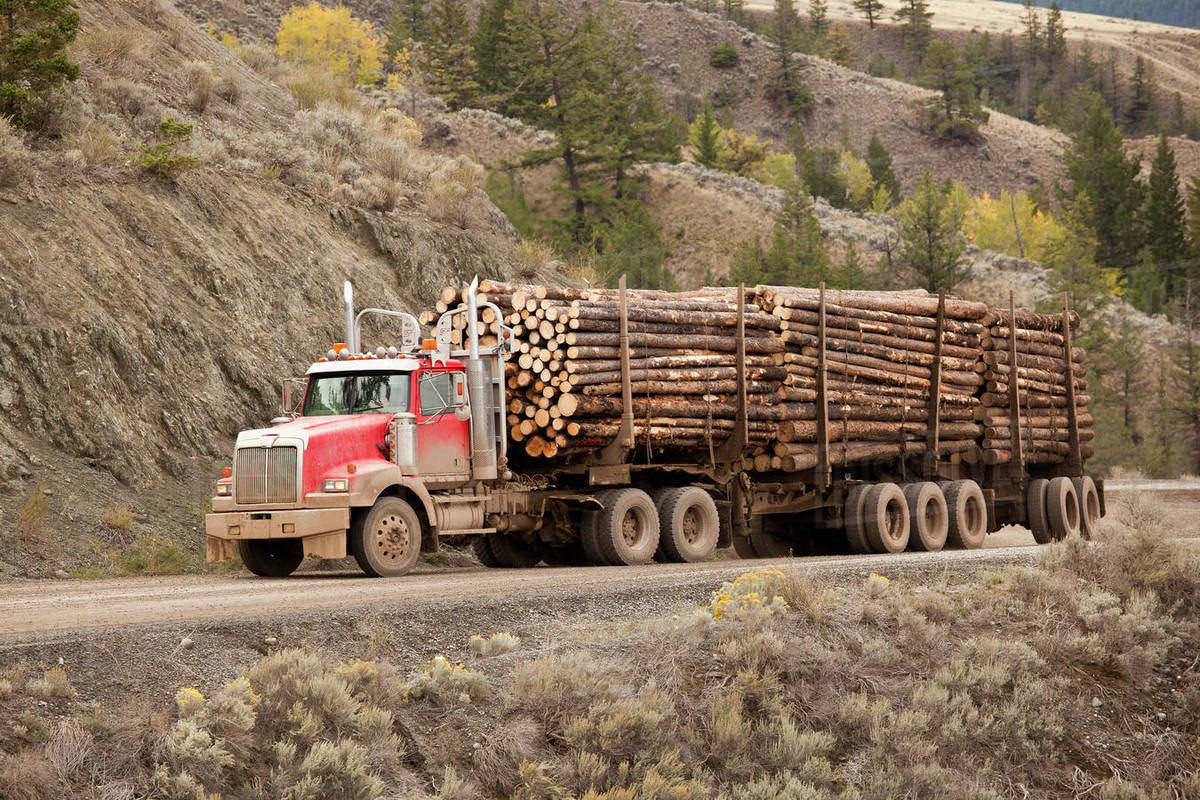
This day, as they ease into November, the darkness is coming on sooner, so Mom wants to get the drive over with before nightfall.  When by herself, she is prone to speeding a little, but tonight she has Celia in the back seat (where she has always made her sit for safety reasons).  As they pass the last traffic light in town and head onto the open road, a Police car happens to pull in behind them.  She keeps, of course, to the speed limit, and the Officer keeps a respectful distance back.   “Celia, keep your eyes open.  We’re coming to the big curve.  You might see some deer up there.”  As they’re about to enter the wide curve,  Mom notices a huge tandem trailer of logs approaching them, just straightening out from the corner.  She slows down a little, out of instinct.  Sometimes these big rigs stray over the centre line by a foot or two.  At that exact moment, a car pulls out from behind him and floors it, trying to pass.  Mom slams on the brakes, steers too sharply, and hits the steel guardrail.  Their car catapults and rolls down a slope towards the lake.

Officer Remy had steered in the opposite direction and had hit the rock cut on the left.
As luck would have it, he had grazed it sidewise, but at considerable speed.  His cruiser was a write off, but his injuries amounted to a sore shoulder and neck together with some broken ribs.  He was able to summon help.

Celia wakes up in hospital with her Aunt Daphne sitting at her bedside.  Celia has a plaster cast on one arm and one leg.  Her vision is blurred, but she can tell that her Aunt has very red eyes.  When Daphne sees that her niece is conscious, all she does is hug her tightly and cry as she has never cried before.  Their lives have changed, and the future has turned as cold and as grey as the bleak November sky.

A living thing

Why don’t you see me?

Acknowledge me at least.
I am a living thing, and you know me.
I’m sure of it.

God, it’s been forty years since High School.
You were the nerd before that word was coined.
Top of the class those four years,
but without the Jock thing.

Most of them shunned you.
“Hey Number One!” they jeered,
laughing as you passed in the hallway.
The other girls avoided you,
wanting to stay in the boat and not rock it.

But me?
I became a pariah when they saw my slow approach.
I wanted to be like you,
to have the quiet courage to be myself,
even though it hurt.

I talked to you at the lockers,
sat near you in class,
liked you for your blushing hesitation
as you gave the right answer that no one else knew
or had the guts to speak out loud.

Was it wrong when I warmed to you?
You had cultivated aloneness for so long
that you didn’t know how to deal with affection,
and so you treated me with studied indifference.

When grad came and dispersed us into the world’s ways,
I hurt, and called you bastard in my sorry mind.
How dumb can you be, I thought.  Can’t you see?

With forgiveness and forced forgetfulness,
I went away to my future.
Cast myself into the career of a workaholic.
Met many nice people.
Kept cats and took pills.

In the decades, Karma contrived a crisscross of our paths.
Brief, crowded, and uncomfortable meetings.
I saw that you were with someone and then, at another time,
someone different.
No rings.  No commitment.

It was last night that made me write this.
Turns out you were a friend of one of the bandmembers.
I had come with a girlfriend who was married to another of them.
Fifty of us in the room.  Too loud music.

Some dullard was attempting to engage me in conversation
when I spotted you.
Alone with a drink.  Watching the game.
We are sixty now, god dammit!
I see quick regret in your eyes, but no promise.
Am I too bohemian for you now?
You liked freckles once.
I’ve got a million of ’em.

Why the hell am I still kicking myself over you?
Because my self-made fantasy won’t be denied.
I see you as looking out over a dream sea,
each of its atoms an unnamed star in the slow swirl of Universe.

But, one last time, it’s our stubborn pride, I think, that keeps us apart,
as if we were strong magnets facing the wrong way, poles pushing.
And I’m thinking of just going home now, to my cats and my pills.
It’s a “living” thing.

But, hell, I want to sail with you on that dream sea.
I am coming to stand by you tonight.  Right here, right now.
Say something, or say nothing.
Maybe, with your carpentry of kindness, we can build that boat.