Well, I have completed weeks of total withdrawal from a five year addiction to prescription medication. The grip was that strong that it’s been an ongoing struggle, but will get to the other side.
Category Archives: Uncategorized
Ancestral
I never knew my Grandpa.
We have only a faded daguerreotype.
But we kids had found out what we weren’t supposed to
Through fortuitous eavesdropping.
He had just gone into his barn one day
And done the deed with his own shotgun.
Then, when I was twenty,
My troubled old Dad said a thing
All alone (he thought) “I wish I was dead”
We were not very close,
But that was when I grieved for him the most.
Dad got his wish, within a year.
Then, an older brother, a generation apart,
A figure we so looked up to,
Suddenly so sad and lost.
His wife, at her wit’s end, slapped him hard
And said snap out of it.
I blame her not, for she knew not what to do.
These kinds of things were not talked about.
She was not angry, but desperate.
And now I, in later life,
Have been visited by this haunting heredity of the family tree.
I knew not, for the first while, what the trouble was,
But can now liken it to a dark drop of ink
Instilled into a glass of clear water,
Muddying into uniform grey.
There are things, though, that I have
That these others had not.
We know what it is about.
We may talk more openly.
We seek help and are encouraged by some.
And we can feel blameless, when they could not.
A World Without Word’s

Some very helpful actions taken by Eve.
Another Scrapped Suicide Note/Nathan McCool
So much expressed here.

Jesus isn’t waiting for me anywhere. I nailed him
to a tree. A long time ago. And hell fires are extinct to me now. I can no more believe
in them than I can the idea that mercy was
coming for me and just lost its way.
I write this in a field – Gaia’s emerald hair is
what leaves this paper water damaged.
I am not crying now or even fighting tears,
for once.
If you could see me now you’d know
that I’m smiling. Like I never have before.
I do not know if we really take anything with us
View original post 241 more words
Unpopular opinion
Such power and artistry here.
Degrees of home
Have you ever felt
That you can never go home again
Or that you have never ever really been home
In all your life?
Perhaps some other world ,
Some other life,
Is missing you.
I stood alone, still a boy
Enthralled by a Master’s painting
A scene at once unfamiliar and beckoning
It was of an old mill, but that mattered not
It drew me
I wanted inside
I don’t know why
It felt like home
A long time I stood
A tall man in a grey suit
Asked if he could help
I stammered, confused,
Looked from him back to the painting
He smiled,
Put a hand on my shoulder,
Walked away.
Older now,
I imbibed with peers
That which was unwise for me
It changed my mind
Changed my mind
I looked back with longing
Even to homelessness felt before the Old Mill
For now I was so far away
So far away
I did not want to stay
Just like the boy I was at ten
Who climbed the highest diving tower
On a dare
I, who had never even been
In the deep end.
So desperately afraid
But poked and prodded
By the jibes of the bullies below
To walk the plank.
I must take the plunge.
I must do it.
I cannot go back.
What came of it?
The boy of ten grew into something else,
Within and without
And the bullies scattered,
Sensing trouble.
But now this self wrought wrong
This play for peer approval
Had brought me to a wrong turning
And I was
So far away
Too far away.
Yet more cat trouble
the one that has me treat-trained
sits in its worn out spot on the floor
every day, same time
it has now developed
a professional smirk
a badge of accomplishment
shall I acquiesce yet again?
am I but a human yo-yo
spun into the Sleeper
then drawn back for endless repeats?
meanwhile, back at the ranch,
the brother and sister laze on the lounge
they are having a lick fest-
you do me, I’ll do you
I watch in amused fascination until
they seem to come to themselves
and realize where they are
and what they are doing
the licking stops, the eyes go wide
one hisses
the other gets a choke hold on him
the claws and teeth come out
there is a high pitched scream
I wonder what I have done
to cause this magic moment.
Marking time
when we are in joy
when it’s as if we purr
with a good book and hot coffee
when our longed for break comes
the time subjectively speeds
in moments of displeasure or pain
we watch the second hand tick tick
tick us off
the time subjectively slows
me, I have a conundrum
it is a period of mandatory displeasure and pain
a payment for past purchases of pleasure
and so, I wish for father time
to quicken his pace
and perhaps just touch on the salient points
of this rough patch
but of course, that done,
it brings me only closer
to borrowed time.
Little Green Wings. (Second reprise)
It’s two in the morning as I write this. Wide awake. After five years of progressive addiction to sleeping drugs, I’ve “completed ” a 60 day withdrawal program, taking the last of it two days ago. At age 67, other than insomnia, I have tremors, elevated heart rate, severe abdominal cramping, brain zaps, coordination problems, muscle pain and weakness, plus nausea. I’ve been congratulated by my medical watchdogs, and assured that these inconveniences will taper off after another “couple of months”. If not, I can give them a call.
Well, this is my payment for past weaknesses.
Woot Woot!
Four armed is four warned
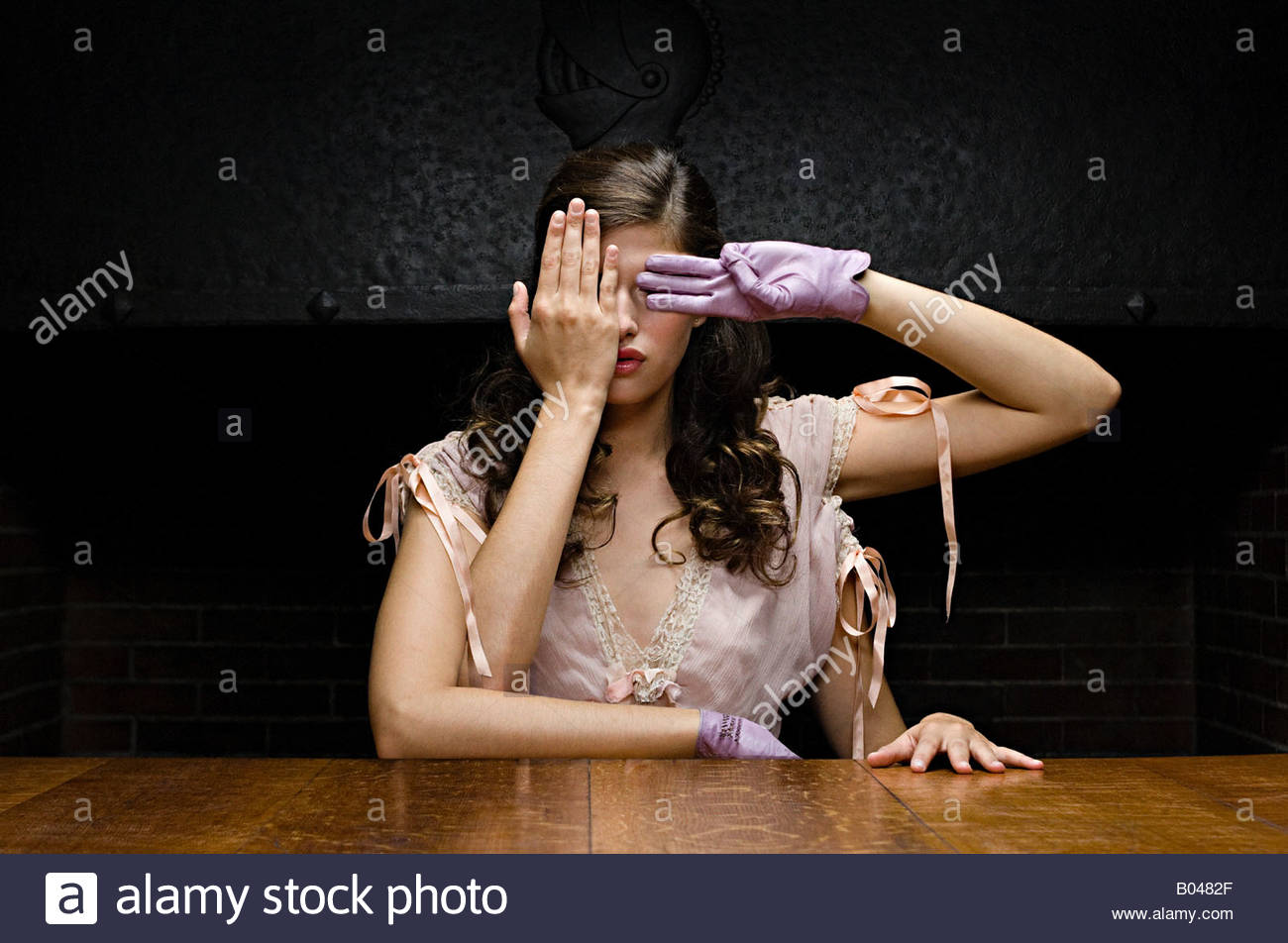
In this opium dream, Fraser and his three friends, in a drunken ramble on Delhi streets, had a curious card passed to them. It bore only an address, and the anonymous youth who stopped them had a strange aspect. With a look at once timorous and knowing, he had seemed to offer the card, then withdraw his hand, then offer once more, all the while holding Fraser in his eye.
Now, these four men were streetwise sailors, and were not known for their shy or retiring ways. Fraser took the card, stuffed it in his pocket, and, with an uncomfortable laugh, bid the boy to be off. He dismissed it as just another poor kid trying to lead him to some flea market stall, or, more likely, to a brothel on one of the dirty side streets.
But, the bonhomie that he had enjoyed this night with his pals was now a little forced.
The thick skin on which he had always prided himself had been pricked by this niggling mosquito bite of oddness.
Chuckling nervously to himself, he thought What the hell. What the hell. This is cloak and dagger, you crazy sonofabitch. Been watching too many movies.
His curiosity got the best of him, though, and he hired rickshaws to take the four of them to this questionable address. His driver glanced at the card, shook his head and said, in halting English, “Not tonight. Not tonight”. Impatiently, Fraser told him that he would make it worth his while, and gave him money up front.
They were brought to a dirt alleyway, almost in darkness, and the driver would go no further. “You will find a red door” was all he would say.
And so they found the low brick building, windowless, and with the promised door looking very old, cracked, and crooked, but so freshly painted in red that they could smell it. In its very center was a bright brass knocker, with a shape that reminded Fraser of some sort of Hindu deity. It had unsettling overtones, and the word that sprang to his mind was abomination.
Ignoring the knocker, they pushed in, and nearly fell down a long grey stairway, without rails, and wide enough for only one to pass at a time. There was a pale archway at its bottom, lit with a sickly glow, as if from a charnel house. Through the cracks and seams of its nearly identical door there floated a misty fume. Fraser knew the sweet floral scent, and thought Goddamn, this could be a night. Get out your pipes, boys!
In the scant seconds before his temerity told him to enter, he saw the one thing about this door that was not a match for the other. The brass knocker had been installed upside down, but the twisted figure on it seemed to make sense in an altogether different manner.
Hearing the lilting sounds of tabla, tamboura, and sitar, and sniffing the sweet scent, he pushed in, with his cohorts tagging behind. The room was long, long, and low-ceilinged, lit by the phantom light he had seen at the last doorway. Many were there, sitting cross-legged on cushions. There were no chairs or tables. The smoke and the lighting conspired to lend all of the faces a sinister cast, and he noticed, at the far end of the hall, a raised dais, empty now, but with musicians on either side. It was bathed in a hue of glowing blue, as if from the base of flame. On the floor, between the crowd and the dais, was a worn weathered bench.
All faces were turned to them. They were the outsiders. Gestures were made for them to thread their way through and to settle on the bench. They did so, not sensing direct hostility. The music stopped, and the players assumed a position of prayer.
A curtain was parted, and four turbaned men brought in a golden litter. They left, and the figure inside was outlined in glowing blue. All other lights were doused.
Plainly, it was a young woman, completely covered in a robe of shimmering silver. Her eyes were closed.
The music begins slowly. With eyes still closed, and swaying slightly, she still sits in the calmness. She changes the music with a gesture. Her two hands, parting the folds of the robe, undo its clasp. It billows down into the goldness of the litter. Fraser sees the thing that the puzzling knockers were symbolizing. There are two more hands, on arms of their own. He is enthralled, rooted. The abomination. So alien. Almost obscene, but with an enigmatic beauty of attraction. The crowd is silent, and makes gestures of prayer.
This woman opens her eyes. They are kaleidoscopic. Fraser thinks of Lucy in the Sky.
She turns her gaze quickly to each group of musicians. So rapidly that he thinks this cannot be real. Two of the four hands are gloved, two are bare. She begins to sing, and guides them. There are no words to the song. A melody of the throat and the higher cortex. He thinks of the blue alien.
As she changes moods, so does the music. Marvelous arms moving, weaving patterns and showing symbols fraught with absolute meaning. He wishes he could know.
Could he know? These motions and symbols are not all of brightness and glory. They are mixed in equal measure with the terrible and the obscene. Her face contorts disturbingly, and the rapid impossible head movements are appalling to him. The symbols change so quickly. He is terrified that he cannot catalogue them, but feels they must not be ignored. They are part of something. She is trying to open a gateway. He steals a glance at his friends, who all have their heads down and seem asleep or entranced.
The song falls down to an end. She is gone with the blue glow. The charnel house lights reappear, revealing a throng of worshippers with heads to the floor in prayer.
All is silent. He cannot rouse his friends. It is as if death has taken them.
He stands stupefied, unmanned by what he has seen. All is still silent.
A rustling of robes. Four arms enfold him from behind. Turning ’round slowly,
he looks into the kaleidoscope.
 Aremyfeetofftheground